Christians and The Rebellion Fest.

by Nick Bishop
Every August, Blackpool is home to the famous Rebellion Fest, one of the world’s largest independent punk and alternative music gatherings. Thousands of people from across Britain and beyond come together to celebrate music, creativity, friendship, and individuality. The fest has grown far beyond music alone, featuring literature, art, crafts, and alt culture in all its forms.
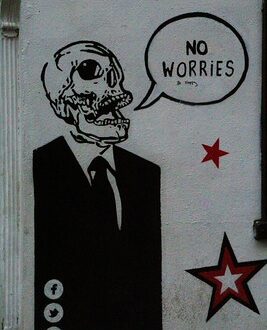
For some Christians, the sight of punks, goths, tattooed people, leather jackets, colourful hair, and unconventional fashion can be uncomfortable. Yet the Gospel challenges Christians to look beyond appearances.
Jesus consistently spent time with people who were judged, misunderstood, or rejected by wider society. Tax collectors, fishermen, zealots, and social outcasts all found a place at his table. Christ looked/looks at their heart rather than their outward appearance.
Many Christian Goths and Punks see the alt identity not as a rejection of God but as a rejection of superficiality. They often value authenticity, creativity, honesty, and community. While their fashion may differ from mainstream expectations, their faith can be just as sincere as that of any churchgoer wearing a suit and tie.
The punk movement itself has always contained a mixture of ideas. Some strands have been hostile to faith, while others have championed justice, compassion, anti-racism, and stood up for the marginalised. Christians should not embrace every aspect of punk, goth, or alternative culture, but neither should they dismiss it wholesale. As with any culture, believers are called to discern what is good, true, and noble while rejecting what is harmful.
One striking aspect of the Rebellion Fest is the sense of community described by attendees. Fest-goers often speak of friendship, acceptance, and a feeling of belonging. Many describe it as a gathering where people can be themselves without fear of ridicule.
A Christian attending Rebellion might see an opportunity rather than a threat. It is a place where conversations happen, friendships are formed, and faith can be shared naturally and respectfully. The mission field is not only found in church buildings; it can be found in music venues, on seaside promenades, and among people searching for meaning and connection.
Christian Goths and Punks remind the Church of an important truth: faith is not a fashion style. Any particular fashion style does not own Christianity. No particular culture, hairstyle, clothing choice, or social class owns Christianity. The Kingdom of God contains people from every tribe, nation, language, and subculture.
A Christian Goth wearing black clothes and a silver cross may love Christ just as deeply as a farmer in tweed, a businessman in a suit, or a grandmother in her Sunday best.
Perhaps the challenge for Christians is not to ask, “Why do Goths and Punks look different?” but rather, “Do we show the same love and welcome that Jesus showed/shows?”
After all, when Christ called people to follow Him, He did not ask them to become ordinary first.
God bless you
Nick x.
Recommended Posts

Let The Evidence Speak.
October 05, 2026
Living Day to Day.
September 21, 2026

When The Chips Are Down
September 14, 2026