Christ, Buddha, and Muhammed: A Comparison and Why Christ Stands Out.
by Nick Bishop

Throughout history, a few towering figures have shaped the spiritual direction of billions, and each brought a message that continues to influence people in how they understand life, suffering, morality, and the divine. Yet when placed side by side, Christ often appears “in the way”, not as one teacher among many, but as a fundamentally different kind of figure.
Buddha: A Guide to Enlightenment.
Buddha taught a path out of suffering through self-awareness, detachment, and disciplined living. His focus was not a creator God but on understanding the nature of existence. He presented himself as a guide, someone who had found the way and invited others to follow it. Salvation, in this view, is achieved through effort and insight.
Muhammed: A Messenger of Submission to God.
Muhammed’s message centres on submission to the one God (Allah) and living according to divine law. He is understood in Islam as the final prophet, delivering God’s word through the Qur’an. Like Buddha, he does not claim divinity; rather, he is a servant and messenger pointing people toward obedience and righteous living.
Christ: More Than a Teacher.
Jesus Christ stands apart strikingly. He does not merely teach a path or deliver a message; he claims to be the way. In the Gospels, he speaks with an authority that goes beyond that of a prophet or sage: forgiving sins, redefining the law, and identifying himself uniquely with God. Christianity hinges on the belief that God entered human history in the person of Christ, not just to instruct, but to redeem.
Why Christ Is “in the Way”.
In summary, Christ is “in the way” because his claims are exclusive and transformative. If he is simply a teacher, he can be placed alongside others. But if his claims are true, if he is divine, the Son of God, and the only way to reconciliation with God, then he cannot be reduced to one voice among many.
This creates a crossroad:
Buddha says: Follow my path and discover truth within yourself.
Muhammed says: Submit to God and follow His revealed law.
Christ says: Come to me.
That final statement is what sets Christ apart. He does not just show the way, but he places himself at the centre of it.
Conclusion.
All three figures call for transformation, discipline, and a higher way of living. But Christ’s identity and claims elevate him beyond the role of teacher or prophet in Christian belief. That is why, in comparison, he often feels “in the way” because accepting him on his own terms changes the entire framework of the discussion.
Whether one sees that as truth, mystery, or challenge depends on faith, but it undeniably makes Christ among the great spiritual figures of history.
God bless you.
Nick x.
Recommended Posts
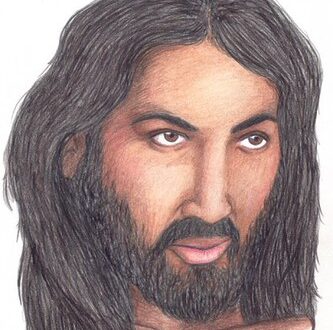
Image Obsession and Folklore.
July 06, 2026
Bread and Circuses.
June 30, 2026

The Mind.
June 16, 2026