The Tears of Things.
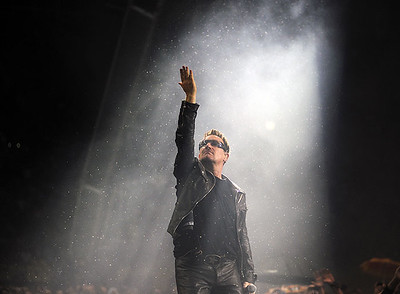
by Nick Bishop
U2 have always mixed spirituality, politics, doubt, and hope into their music. While they are not a “Christian band” in the traditional worship-music sense, the faith of members like Bono has deeply shaped many of their songs. “The Tears of Things” is one of their most openly spiritual and reflective works, blending biblical imagery, history, suffering, and compassion into a meditation on humanity itself.
The title comes from the ancient phrase lacrimae recrum, “the tears of things,” which suggests that sorrow and suffering are woven into the world itself. Bono also drew inspiration from a Franciscan writer whose work explores grief, transformation, and compassion.
The song imagines a conversation between Michelangelo’s statue of David and God. David, the biblical shepherd who defeated Goliath, becomes a symbol of vulnerable humanity standing against violence, hatred, and power. The lyric “Michelangelo release me from a single block” suggests a soul trying to break free from hardness or spiritual numbness.
Christian themes run throughout the song. Bono questions holy wars, nationalism, and violence done in God’s name. The line:
“In this, your holy war/There’s nothing holy here for me”.
acts as a criticism of religion being twisted into ideology or conflict. Rather than preaching certainty, the song wrestles with doubt, conscience, and the pain of history, something U2 have often explored in songs like Sunday Bloody Sunday or I Still Haven’t Found What I’m Looking For.
One of the strongest themes in the song is that tears and grief are not a weakness. Bono presents mourning as a deeply human and sacred response to suffering. The repeated phrase “the tears of things” becomes a cry for empathy in a world that often becomes cold or tribal.
The lyrics also reference fascism, the Holocaust, and modern conflicts, warning how easily people can justify cruelty through ideology or religion. Yet despite the darkness, the song ends with a universal vision of liberation and unity:
“Everybody is my people/Let my people go”
which echoes the biblical exodus story while expanding compassion beyond nationality, race, or religion.
Fans and critics have responded strongly to the spiritual depth of the song. Some listeners describe it as “Christ coded” rather than overtly religious, because it focuses more on compassion, humility, and human dignity than doctrine. Others see it as Bono wrestling honestly with faith, doubt, and the failures of organised religion.
In the end, “The Tears of Things” is less about easy answers and more about remaining human in a suffering world. It is a song about grief, mercy, spiritual struggle, and refusing to lose compassion, themes that have always sat at the heart of U2’s music.
God bless you
Nick x.
Recommended Posts
A Christian King?
August 18, 2026
Christ and Karma.
August 10, 2026

We’ll See What Happens.
August 03, 2026